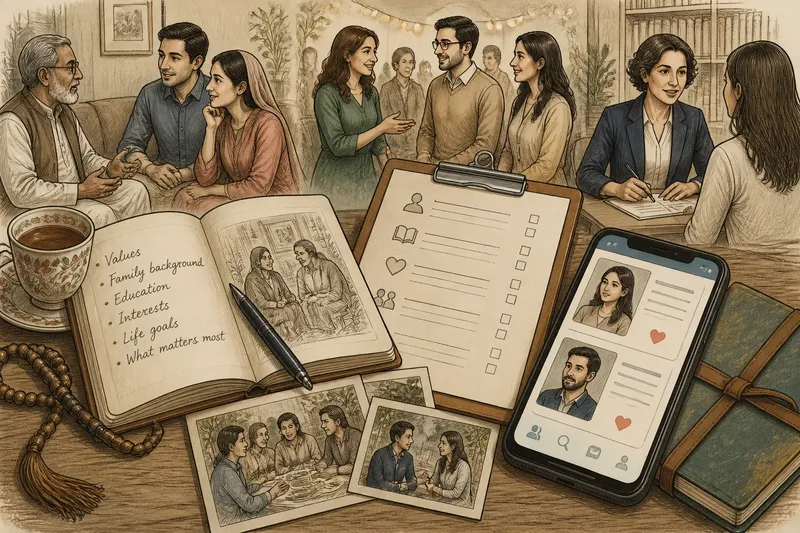
Written Prompts or Open Conversation: Two Ways to Begin
Written prompts or open conversation can shape a first introduction differently; choose a starting style that makes room for attention, ease and spontaneity.

The common mistake with written prompts or open conversation is treating one as the “right” way to begin. That can make a first introduction feel like an interview or leave both people waiting for the other to rescue a quiet moment. Choose a starting style to suit the people and setting, then let the exchange change shape as it unfolds.
Choose the opening
Written prompts give a conversation a visible starting point: a question on a card, a message from an introducer, or a topic shared before meeting. Open conversation begins without a prepared question, relying instead on what people notice, wonder about, or bring up naturally.
Neither choice tells you whether two people will connect. The practical question is narrower: would a little structure help them settle in, or would they prefer room to find their own pace? Consider familiarity, nerves, the formality of the setting and whether either person has already been given a topic.
If you are arranging an introduction, ask each person how they would like to start. Keep the choice easy to decline: a prompt can be available without becoming an assignment. If you are meeting someone yourself, you can also bring one question in mind and still choose not to use it.
Set a light frame
A useful prompt opens a door without demanding a personal disclosure. “What do you enjoy doing on a free afternoon?” leaves room for a short answer, a story or a follow-up. A question that asks someone to explain their deepest hopes can feel like too much before trust has had a chance to form.
Choose a prompt that fits the occasion. At a casual coffee meeting, a question about a favorite local place may feel natural; in a more formal introduction, a gentle question about how each person likes to spend time might work better. Avoid prompts that assume a shared background, a particular family arrangement or a specific idea of what a good match should be.
Make the arrangement clear before the conversation begins. People can know that a few prompts are available, who chose them and that they can skip any question. That small bit of context helps a prompt feel like an invitation rather than a test.
Begin without a script
For an open start, use what is genuinely present: the room, the walk to the meeting place, or something the other person has just mentioned. A comment such as “This café is quieter than I expected” gives the other person several easy ways in, including agreeing, disagreeing or changing the subject.
Then leave a little space. People often need a moment to decide what they want to say; filling every pause can make the exchange feel hurried. Listen for a detail that invites a real follow-up, rather than planning your next line while the other person is speaking.
Open does not mean unprepared. You can think of a couple of topics you would be happy to discuss, then let the setting and the other person’s responses guide which one appears. It is like keeping a bookmark in a book: useful if you need your place, but not a reason to read only that page.
Adjust the pace
Prompts can help a conversation get moving, but too many in a row may create a question-and-answer rhythm. After one answer, respond to something specific in it: ask what made the experience enjoyable, or share a related detail of your own. The conversation then has a chance to grow beyond the wording on the card.
An open start can feel spacious, though that same freedom may leave both people unsure what to pick up. If the exchange stalls, offer a light question rather than treating the pause as a verdict. If the other person gives short answers or seems uncomfortable, change the subject or allow the moment to pass instead of pressing for a fuller reply.
Say you are meeting at a neighborhood bookstore and both people seem a little unsure where to begin. One person asks, “What kind of books do you usually look for?” The other mentions travel writing, so they talk about favorite places to read; if the answer stays brief, the first person can move to the shop or the walk over. The prompt starts the exchange, but the response—not a list of questions—sets its direction.
Prompt or open conversation?
When do written prompts help?
They can help when a first meeting feels formal, when one person is shy, or when an organizer wants everyone to have a clear way to begin. Keep the prompt optional and simple enough to invite a natural follow-up.
How do I avoid sounding rehearsed?
Use the question as a starting point, not a line you must deliver exactly. Listen to the answer, respond to a detail, and let the wording go if the conversation has already found another path.
What if neither person has a question ready?
Comment on something in the shared setting, or ask an easy question about how the person’s day has been. A small, ordinary opening is enough; it does not need to reveal compatibility or produce an especially memorable story.
Can I switch between the two styles?
Yes. You might begin with one prepared question and then follow whatever catches both people’s interest, or start openly and introduce a prompt if the exchange needs a nudge. Switching styles is a normal adjustment, not a sign that the beginning went wrong.
Notice the response
As you talk, pay attention to whether the pace feels mutual. Does each person have room to answer and ask something back? Are pauses comfortable, or does one person keep carrying the exchange? These are observations about the conversation, not a scorecard for either person.
At the end, you can reflect on which opening made it easier to be present. Perhaps a prompt helped you relax, or perhaps the best moment arrived after the prepared topic was set aside. If you arrange another introduction, share that preference with the organizer so the next beginning can fit you better.
Written prompts or open conversation are simply two ways to make a first exchange possible. Let the opening serve the people in front of you: offer enough direction to get started, then give the conversation permission to become its own.